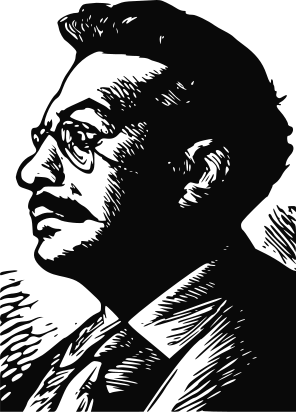
Showing posts with label Magonistas. Show all posts

Monday, June 17, 2013

Today in Labor History—June 17

June 17, 1838 – On or about today the first Cherokee Indians began the Trail of Tears forced march to Oklahoma. 4000 Cherokees died as a result of President Jackson's Indian Removal bill, 10% of the tribe. (From the Daily Bleed)
Sioux charge during the Battle of Rosebud (image from the Library of Congress)
 June 17, 1876 – An encampment of Lakota and Cheyenne in Rosebud, South Dakota, led by Crazy Horse, was attacked by U.S. army soldiers, who were subsequently routed. (From the Daily Bleed)
Potemkin propaganda, 1925 (from x-ray delta one's flikr stream)
 June 17, 1905 – Five ships of the Black Sea fleet arrived from Sevastopol to quash the mutiny on the battleship Potemkin. One of the ships, the George the Conqueror, joined the Potemkin rebels, with both ships escaping to Romanian waters. (From the Daily Bleed)
Magonistas, Tijuana, June 22, 1911
 June 17, 1911 – Tijuana was recaptured from the Magonista anarchist rebels by Federal troops, now lead by Madero. Among those surviving and escaping was the famous Wobbly songwriter Joe Hill. (From the Daily Bleed)

June 17, 1913 – The Industrial Workers of the World (IWW) initiated a sit down strike at the Studebaker auto plant. (From the Daily Bleed)

June 17, 1936 – The Steel Workers Organizing Committee was founded in Pittsburgh, by Philip Murray, John L. Lewis and nine other labor organizers. The Steel Workers Organizing Committee evolved into the United Steelworkers of America. Within one year, more than 125,000 people had joined the union, rallying around the goal of raising wages to $5 per day. (From Workday Minnesota and the Daily Bleed)
Tank in Liepzig (Attribution: Bundesarchiv, Bild 175-14676 / CC-BY-SA)
 June 17, 1953 – Workers revolted in East Berlin and Leipzig, sparking rebellions all over East Germany. Workers were striking for democracy and in opposition to Russian imperialism. The USSR responded with tanks. (From the Daily Bleed)

FOIA released CIA file on the overthrow of Arbenz
June 17, 1954 – The CIA supplied and directed Guatemalan forces in the overthrow constitutionally elected government of Jacabo Arbenz Guzman, after it nationalized United Fruit Co. (From the Daily Bleed)

June 17, 1980 – Mine workers struck in Montana today through November 21. (From the Daily Bleed)

Monday, May 20, 2013

Today in Labor History—May 20


May 20, 1639 – The first American public school was established in Dorchester, Mass. (From the Daily Bleed)
1776 portrait of Brant
May 20, 1776 – The Mohawks, under Joseph Brandt, defeated Americans at the Battle of the Cedars. (From the Daily Bleed)

May 20, 1911 – The anarchist Magonistas of the Partido Liberal Mexicano published a proclamation calling for the peasants to take collective possession of the land in the territories of Baja California. They had already defeated government forces there. Members of the IWW traveled south to help them. (From the Daily Bleed)

May 20, 1926 –The Railway Labor Act was enacted in the wake of strikes and federal seizures of the railroads. The law guaranteed collective bargaining rights to railroad workers. (From the Daily Bleed)

May 20, 1938 – 500 unemployed workers began a sit-down strike in Hotel Georgia, Vancouver, BC. (From the Daily Bleed)

May 20, 1946 – The U.S. government took over control of the coal mines (again). (From the Daily Bleed)

May 20, 1950 – A general strike and rebellion began in Bolivia. It was put down two days later. (From the Daily Bleed)

May 20, 1963 – White mobs attacked the "Freedom Riders" in Montgomery, Alabama. President Kennedy sent 400 US marshals to Alabama to protect Freedom Riders. (From the Daily Bleed)

May 20, 1980 – Koreans rose up in Kwangju against the repressive U.S.-supported government. (From the Daily Bleed)

May 20, 1989 – Martial law was declared in Beijing to quell the pro-democracy movement and massive student demonstrations in Tiananmen Square. (From the Daily Bleed)

Wednesday, May 8, 2013

Today in Labor History—May 8


Ricardo Flores Magon (by Alberto Beltran)
May 8, 1911 – Tijuana was captured by the anarchist Magonistas, with support by IWW members, giving them control of most of Baja California is now almost entirely in their hands. They encouraged the people to take collective possession of the lands, to create co-operatives and refuse the establishment of any new government. (From the Daily Bleed)

May 8, 1916 – The American Federation of Teachers was founded. (From the Daily Bleed)

May 8, 1925 - A. Philip Randolph and Milton P. Webster founded the Brotherhood of Sleeping Car Porters. The Brotherhood was the very first African-American labor union to sign a collective bargaining agreement with a major U.S. corporation. (From Workday Minnesota)

May 8, 1936 –19 Japanese anarchists were imprisoned for "illegal activities.” The anarchist Tôkyô Print Workers' Union was crippled when nearly 100 of its members were arrested. Over the course of May, a further 300 anarchists were swept up in mass arrests. (From the Daily Bleed)

May 8, 1945 – Germany surrendered. (From the Daily Bleed)

May 8, 1962 – An estimated 9,000,000 Belgians participated in a ten-minute work stoppage to protest nuclear weapons. (From the Daily Bleed)

May 8, 1967 – A federal grand jury indicted Mohammed Ali for refusing to be inducted into the armed forces. He was convicted by an all-white jury on June 20th. (From the Daily Bleed)

May 8, 1979 – Police killed 23 people and wounded 70 outside the municipal cathedral of San Salvador, El Salvador. The victims were members of the Popular Revolutionary Bloc, a coalition of anti-government students, teachers, peasants & workers. (From the Daily Bleed)

Sunday, October 28, 2012

Today in Labor History—October 28


October 28, 1898 – Two mine workers were killed in Virden, Illinois. (From theDaily Bleed)

October 28, 1921 – In response to attacks by employers and the government, Argentine workers revolted under the red and black anarchist flag. The uprising was quickly quashed by the army, which killed more than 1,500.  (From theDaily Bleed)
Enrique Flores Magon
 October 28, 1954 – Enrique Flores Magón (1877-1954) died on this date. Magon was a Mexican revolutionary anarchist who established short-lived revolutionary communes in Baja California, with the aid of the Industrial Workers of the World (IWW), during the Magonista revolt of 1911.  He also fought in the Mexican revolution and helped establish the Partido Liberal Mexicano and edited the anarchist newspaper Regeneracion. (From the Daily Bleed and Wikipedia)

Sunday, June 17, 2012

Today in Labor History—June 17


June 17, 1838 – On or about today the first Cherokee Indians began the Trail of Tears forced march to Oklahoma. 4000 Cherokees died as a result of President Jackson's Indian Removal bill, 10% of the tribe. (From the Daily Bleed)
Sioux charge during the Battle of Rosebud (image from the Library of Congress)
 June 17, 1876 – An encampment of Lakota and Cheyenne in Rosebud, South Dakota, led by Crazy Horse, was attacked by U.S. army soldiers, who were subsequently routed. (From the Daily Bleed)
Potemkin propaganda, 1925 (from x-ray delta one's flikr stream)
 June 17, 1905 – Five ships of the Black Sea fleet arrived from Sevastopol to quash the mutiny on the battleship Potemkin. One of the ships, the George the Conqueror, joined the Potemkin rebels, with both ships escaping to Romanian waters. (From the Daily Bleed)
Magonistas, Tijuana, June 22, 1911
 June 17, 1911 – Tijuana was recaptured from the Magonista anarchist rebels by Federal troops, now lead by Madero. Among those surviving and escaping was the famous Wobbly songwriter Joe Hill. (From the Daily Bleed)

June 17, 1913 – The Industrial Workers of the World (IWW) initiated a sit down strike at the Studebaker auto plant. (From the Daily Bleed)

June 17, 1936 – The Steel Workers Organizing Committee was founded in Pittsburgh, by Philip Murray, John L. Lewis and nine other labor organizers. The Steel Workers Organizing Committee evolved into the United Steelworkers of America. Within one year, more than 125,000 people had joined the union, rallying around the goal of raising wages to $5 per day. (From Workday Minnesota and the Daily Bleed)
Tank in Liepzig (Attribution: Bundesarchiv, Bild 175-14676 / CC-BY-SA)
 June 17, 1953 – Workers revolted in East Berlin and Leipzig, sparking rebellions all over East Germany. Workers were striking for democracy and in opposition to Russian imperialism. The USSR responded with tanks. (From the Daily Bleed)

FOIA released CIA file on the overthrow of Arbenz
June 17, 1954 – The CIA supplied and directed Guatemalan forces in the overthrow constitutionally elected government of Jacabo Arbenz Guzman, after it nationalized United Fruit Co. (From the Daily Bleed)

June 17, 1980 – Mine workers struck in Montana today through November 21. (From the Daily Bleed)

Sunday, May 20, 2012

Today in Labor History—May 20


May 20, 1639 – The first American public school was established in Dorchester, Mass. (From the Daily Bleed)
1776 portrait of Brant
May 20, 1776 – The Mohawks, under Joseph Brandt, defeated Americans at the Battle of the Cedars. (From the Daily Bleed)

May 20, 1911 – The anarchist Magonistas of the Partido Liberal Mexicano published a proclamation calling for the peasants to take collective possession of the land in the territories of Baja California. They had already defeated government forces there. Members of the IWW traveled south to help them. (From the Daily Bleed)

May 20, 1926 –The Railway Labor Act was enacted in the wake of strikes and federal seizures of the railroads. The law guaranteed collective bargaining rights to railroad workers. (From the Daily Bleed)

May 20, 1938 – 500 unemployed workers began a sit-down strike in Hotel Georgia, Vancouver, BC. (From the Daily Bleed)

May 20, 1946 – The U.S. government took over control of the coal mines (again). (From the Daily Bleed)

May 20, 1950 – A general strike and rebellion began in Bolivia. It was put down two days later. (From the Daily Bleed)

May 20, 1963 – White mobs attacked the "Freedom Riders" in Montgomery, Alabama. President Kennedy sent 400 US marshals to Alabama to protect Freedom Riders. (From the Daily Bleed)

May 20, 1980 – Koreans rose up in Kwangju against the repressive U.S.-supported government. (From the Daily Bleed)

May 20, 1989 – Martial law was declared in Beijing to quell the pro-democracy movement and massive student demonstrations in Tiananmen Square. (From the Daily Bleed)

Tuesday, May 8, 2012

Today in Labor History—May 8


Ricardo Flores Magon (by Alberto Beltran)
May 8, 1911 – Tijuana was captured by the anarchist Magonistas, with support by IWW members, giving them control of most of Baja California is now almost entirely in their hands. They encouraged the people to take collective possession of the lands, to create co-operatives and refuse the establishment of any new government. (From the Daily Bleed)

May 8, 1916 – The American Federation of Teachers was founded. (From the Daily Bleed)

May 8, 1925 - A. Philip Randolph and Milton P. Webster founded the Brotherhood of Sleeping Car Porters. The Brotherhood was the very first African-American labor union to sign a collective bargaining agreement with a major U.S. corporation. (From Workday Minnesota)

May 8, 1936 –19 Japanese anarchists were imprisoned for "illegal activities.” The anarchist Tôkyô Print Workers' Union was crippled when nearly 100 of its members were arrested. Over the course of May, a further 300 anarchists were swept up in mass arrests. (From the Daily Bleed)

May 8, 1945 – Germany surrendered. (From the Daily Bleed)

May 8, 1962 – An estimated 9,000,000 Belgians participated in a ten-minute work stoppage to protest nuclear weapons. (From the Daily Bleed)

May 8, 1967 – A federal grand jury indicted Mohammed Ali for refusing to be inducted into the armed forces. He was convicted by an all-white jury on June 20th. (From the Daily Bleed)

May 8, 1979 – Police killed 23 people and wounded 70 outside the municipal cathedral of San Salvador, El Salvador. The victims were members of the Popular Revolutionary Bloc, a coalition of anti-government students, teachers, peasants & workers. (From the Daily Bleed)

Friday, October 28, 2011

Today in Labor History—October 28


October 28, 1898 – Two mine workers were killed in Virden, Illinois. (From the Daily Bleed)

October 28, 1921 – In response to attacks by employers and the government, Argentine workers revolted under the red and black anarchist flag. The uprising was quickly quashed by the army, which killed more than 1,500.  (From the Daily Bleed)
Enrique Flores Magon
 October 28, 1954 – Enrique Flores Magón (1877-1954) died on this date. Magon was a Mexican revolutionary anarchist who established short-lived revolutionary communes in Baja California, with the aid of the Industrial Workers of the World (IWW), during the Magonista revolt of 1911.  He also fought in the Mexican revolution and helped establish the Partido Liberal Mexicano and edited the anarchist newspaper Regeneracion. (From the Daily Bleed and Wikipedia)

Friday, June 17, 2011

Today in Labor History—June 17


June 17, 1838 – On or about today the first Cherokee Indians began the Trail of Tears forced march to Oklahoma. 4000 Cherokees died as a result of President Jackson's Indian Removal bill, 10% of the tribe. (From the Daily Bleed)
Sioux charge during the Battle of Rosebud (image from the Library of Congress)
 June 17, 1876 – An encampment of Lakota and Cheyenne in Rosebud, South Dakota, led by Crazy Horse, was attacked by U.S. army soldiers, who were subsequently routed. (From the Daily Bleed)
Potemkin propaganda, 1925 (from x-ray delta one's flikr stream)
 June 17, 1905 – Five ships of the Black Sea fleet arrived from Sevastopol to quash the mutiny on the battleship Potemkin. One of the ships, the George the Conqueror, joined the Potemkin rebels, with both ships escaping to Romanian waters. (From the Daily Bleed)
Magonistas, Tijuana, June 22, 1911
 June 17, 1911 – Tijuana was recaptured from the Magonista anarchist rebels by Federal troops, now lead by Madero. Among those surviving and escaping was the famous Wobbly songwriter Joe Hill. (From the Daily Bleed)

June 17, 1913 – The Industrial Workers of the World (IWW) initiated a sit down strike at the Studebaker auto plant. (From the Daily Bleed)

June 17, 1936 – The Steel Workers Organizing Committee was founded in Pittsburgh, by Philip Murray, John L. Lewis and nine other labor organizers. The Steel Workers Organizing Committee evolved into the United Steelworkers of America. Within one year, more than 125,000 people had joined the union, rallying around the goal of raising wages to $5 per day. (From Workday Minnesota and the Daily Bleed)
Tank in Liepzig (Attribution: Bundesarchiv, Bild 175-14676 / CC-BY-SA)
 June 17, 1953 – Workers revolted in East Berlin and Leipzig, sparking rebellions all over East Germany. Workers were striking for democracy and in opposition to Russian imperialism. The USSR responded with tanks. (From the Daily Bleed)

FOIA released CIA file on the overthrow of Arbenz
June 17, 1954 – The CIA supplied and directed Guatemalan forces in the overthrow constitutionally elected government of Jacabo Arbenz Guzman, after it nationalized United Fruit Co. (From the Daily Bleed)

June 17, 1980 – Mine workers struck in Montana today through November 21. (From the Daily Bleed)

Friday, May 20, 2011

Today in Labor History—May 20


May 20, 1639 – The first American public school was established in Dorchester, Mass. (From the Daily Bleed)

May 20, 1776 – The Mohawks, under Joseph Brandt, defeated Americans at the Battle of the Cedars. (From the Daily Bleed)

May 20, 1911 – The anarchist Magonistas of the Partido Liberal Mexicano published a proclamation calling for the peasants to take collective possession of the land in the territories of Baja California. They had already defeated government forces there. Members of the IWW traveled south to help them. (From the Daily Bleed)

May 20, 1926 –The Railway Labor Act was enacted in the wake of strikes and federal seizures of the railroads. The law guaranteed collective bargaining rights to railroad workers. (From the Daily Bleed)

May 20, 1938 – 500 unemployed workers began a sit-down strike in Hotel Georgia, Vancouver, BC. (From the Daily Bleed)

May 20, 1946 – The U.S. government took over control of the coal mines (again). (From the Daily Bleed)

May 20, 1950 – A general strike and rebellion began in Bolivia. It was put down two days later. (From the Daily Bleed)

May 20, 1963 – White mobs attacked the "Freedom Riders" in Montgomery, Alabama. President Kennedy sent 400 US marshals to Alabama to protect Freedom Riders. (From the Daily Bleed)

May 20, 1980 – Koreans rose up in Kwangju against the repressive U.S.-supported government. (From the Daily Bleed)

May 20, 1989 – Martial law was declared in Beijing to quell the pro-democracy movement and massive student demonstrations in Tiananmen Square. (From the Daily Bleed)