Showing posts with label Chile. Show all posts

Saturday, May 11, 2013

Today in Labor History—May 11


Max Hoedel
May 11, 1878 – Emil Heinrich Maximilian Hoedel, a 21-year-old worker-anarchist, shot Emperor Guillaume I of Prussia to publicize the plight of the workers. He was executed July 16, 1878, with the following last words: "Vive la commune." (From the Daily Bleed)
May 11, 1891 – There was a national building-trades strike on this date in 1891. (From the Daily Bleed)
Pullman Strikers and National Guard Troops Outside Arcade Building, Chicago
May 11, 1894 – The Pullman Railroad Strike began in Chicago, Illinois. This was she largest industrial strike to date in the U.S. Eugene Debs rose to prominence as a labor leader during this strike, which was eventually broken by federal troops. At least 24 strikers were killed. (From the Daily Bleed)
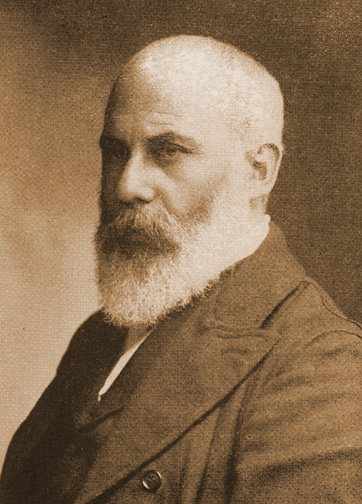
Daniel De Leon, 1902
May 11, 1914 – Marxist theorist, socialist labor party and union organizer Daniel De Leon died on this date in New York City. De Leon was also a founding member of the Industrial Workers of the World (IWW) in 1904. (From the Daily Bleed)
May 11, 1968 – The Parisian "Night of the Barricades," occurred from May 10-11, with intense fighting between students and police. Students and workers called for a General Strike on May 13. (From the Daily Bleed)
May 11, 1968 – Poor People’s Campaign caravans arrived in Washington, D.C., with Ralph Abernathy and the Southern Christian Leadership Corps being granted a permit for an encampment on the Mall. (From the Daily Bleed)
May 11, 1968 – 4,500 British Columbia lumber workers ended a 7-month strike on this date. (From the Daily Bleed)
May 11, 1983 – A General Strike was called in Chile, in support of textile workers who had been on strike since 1982. The police attacked protestors with tear gas. Two people were killed in La Victoria; 600 were arrested. (From the Daily Bleed)

Friday, December 21, 2012

Today in Labor History—December 21


Escuela Santa Maria, 1907
December 21, 1907 – The Santa María School massacre occurred in Iquique, Chile on this date. The massacre was committed by the Chilean Army against striking saltpeter (nitrate) miners and their wives and children. The number of victims was never determined. However, reliable estimates put the death toll at over 2,000, and some sources put it as high was 3,600. (From the Daily Bleedand Wikipedia)
The First Get-Away Car? (Caricature of the Bonnot Gang)
 December 21, 1911 – The get-away-car was first used in a bank robbery on this date in France. The Bonnot Gang, a group of anarchist bandits, pulled off the first bank robbery using an automobile, in broad daylight, in the midst of a populous Paris district. (From the Daily Bleed)

December 21, 1916 – The Wobblies (Industrial Workers of the World) were outlawed on this date in Australia. (From the 
Daily Bleed)
A Bloodied Nurse from the film The Battleship Potemkin
 December 21, 1925 – Serge Eisenstein's silent movie The Battleship Potemkin premiered on this date in Moscow. This silent film, which inspired many later film greats, depicts the 1905 mutiny of sailors against their Czarist commanders during the Russo-Japanese war. (From the Daily Bleed)
Baby Carriage Falling Down Steps in Odessa (also from the film, The Battleship Potemkin)
 December 21, 1986 – More than 50,000 students demonstrated for democracy and freedom in Shanghai's Peoples Square. (From Workday Minnesota)

Monday, October 22, 2012

Today in Labor History—October 22


October 22, 1905 – 30,000 people joined the uprising in Santiago, Chile—part of the "Semana Roja" (Red Week). (From the Daily Bleed)

October 22, 1905 – Police massacred 200 demonstrators in Argentina who were opposing a tax on cattle. Popular outrage swept the country leading to a General Strike. The government declared a "state of siege." (From the Daily Bleed)

October 22, 1956 – Russian troops began to advance on Budapest against students and workers who were demonstrating in solidarity with Polish workers. (From the Daily Bleed)

October 22, 1962 -- Nelson Mandela's trial for treason began on this date.(From the Daily Bleed)

October 22, 1963
 -- US: More than 200,000 students boycotted schools in Chicago to protest de facto segregation. (From the Daily Bleed)

Friday, May 11, 2012

Today in Labor History—May 11


Max Hoedel
May 11, 1878 – Emil Heinrich Maximilian Hoedel, a 21-year-old worker-anarchist, shot Emperor Guillaume I of Prussia to publicize the plight of the workers. He was executed July 16, 1878, with the following last words: "Vive la commune." (From the Daily Bleed)

May 11, 1891 – There was a national building-trades strike on this date in 1891. (From the Daily Bleed)
Pullman Strikers and National Guard Troops Outside Arcade Building, Chicago
May 11, 1894 – The Pullman Railroad Strike began in Chicago, Illinois. This was she largest industrial strike to date in the U.S. Eugene Debs rose to prominence as a labor leader during this strike, which was eventually broken by federal troops. At least 24 strikers were killed. (From the Daily Bleed)
Daniel De Leon, 1902

May 11, 1914 – Marxist theorist, socialist labor party and union organizer Daniel De Leon died on this date in New York City. De Leon was also a founding member of the Industrial Workers of the World (IWW) in 1904. (From the Daily Bleed)

May 11, 1968 – The Parisian "Night of the Barricades," occurred from May 10-11, with intense fighting between students and police. Students and workers called for a General Strike on May 13. (From the Daily Bleed)

May 11, 1968 – Poor People’s Campaign caravans arrived in Washington, D.C., with Ralph Abernathy and the Southern Christian Leadership Corps being granted a permit for an encampment on the Mall. (From the Daily Bleed)

May 11, 1968 – 4,500 British Columbia lumber workers ended a 7-month strike on this date. (From the Daily Bleed)

May 11, 1983 – A General Strike was called in Chile, in support of textile workers who had been on strike since 1982. The police attacked protestors with tear gas. Two people were killed in La Victoria; 600 were arrested. (From the Daily Bleed)

Wednesday, December 21, 2011

Today in Labor History—December 21


Escuela Santa Maria, 1907
December 21, 1907 – The Santa María School massacre occurred in Iquique, Chile on this date. The massacre was committed by the Chilean Army against striking saltpeter (nitrate) miners and their wives and children. The number of victims was never determined. However, reliable estimates put the death toll at over 2,000, and some sources put it as high was 3,600. (From the Daily Bleed and Wikipedia)
The First Get-Away Car? (Caricature of the Bonnot Gang)
 December 21, 1911 – The get-away-car was first used in a bank robbery on this date in France. The Bonnot Gang, a group of anarchist bandits, pulled off the first bank robbery using an automobile, in broad daylight, in the midst of a populous Paris district. (From the Daily Bleed)

December 21, 1916 – The Wobblies (Industrial Workers of the World) were outlawed on this date in Australia. (From the
Daily Bleed)
A Bloodied Nurse from the film The Battleship Potemkin
 December 21, 1925 – Serge Eisenstein's silent movie The Battleship Potemkin premiered on this date in Moscow. This silent film, which inspired many later film greats, depicts the 1905 mutiny of sailors against their Czarist commanders during the Russo-Japanese war. (From the Daily Bleed)
Baby Carriage Falling Down Steps in Odessa (also from the film, The Battleship Potemkin)
 December 21, 1986 – More than 50,000 students demonstrated for democracy and freedom in Shanghai's Peoples Square. (From Workday Minnesota)

Saturday, October 22, 2011

Today in Labor History—October 22


October 22, 1905 – 30,000 people joined the uprising in Santiago, Chile—part of the "Semana Roja" (Red Week). (From the Daily Bleed)

October 22, 1905 – Police massacred 200 demonstrators in Argentina who were opposing a tax on cattle. Popular outrage swept the country leading to a General Strike. The government declared a "state of siege." (From the Daily Bleed)

October 22, 1956 – Russian troops began to advance on Budapest against students and workers who were demonstrating in solidarity with Polish workers. (From the Daily Bleed)

October 22, 1962 -- Nelson Mandela's trial for treason began on this date. (From the Daily Bleed)

October 22, 1963
-- US: More than 200,000 students boycotted schools in Chicago to protest de facto segregation. (From the Daily Bleed)

Tuesday, August 9, 2011

Chile Update: 100,000 March to Defend Public Education

For updates on the ongoing protest against privatization in Chile, check out the latest from Education Notes Online: Update: 100,000 March to Defend Public Education in Chile: SOS on Steroids

Friday, August 5, 2011

Thousands Protest Failed Education Reform in Chile


Huck/Konopacki Labor Cartoons
Tens of thousands of students in Chile have been protesting across the country for the past few weeks demanding comprehensive educational reforms and an end to the privatization of education. High school students have been hunger striking in Antofagasta and Santiago, Democracy Now reported yesterday. Police have responded to street demonstrations with water cannons and tear gas, while students have set fire to barricades, according to the SF Chronicle.

Since the restoration of democracy in Chile, education has been made universal for elementary and secondary school, while 40% of college-age Chileans now attend university. However, according to political scientist Patricio Navio, (quoted by Democracy Now), approximately half of the elementary and secondary students attend private voucher schools. The system was created under Pinochet, and was influenced by the Chicago School economics of Milton Friedman, who trained the Chilean “Chicago Boys.” The private schools, even with vouchers, require payments from the parents, creating a growing gap in the quality of education available in Chile.

Saturday, July 2, 2011

Today in Labor History—July 2


Denmark Vesey
July 2, 1822 – Denmark Vesey and 34 others were hanged for plotting a slave uprising in Boston. An estimated 9,000 were involved in the uprising, but only 67 were convicted of any offense. (From the Daily Bleed)
Union Poster from Homestead Strike
 July 2, 1892 – Carnegie Steel locked out workers at its Homestead, Pa. plant. (From the Daily Bleed)
Pinkertons surrendering
July 2, 1894 – The U.S. government obtained an injunction against striking Pullman workers. (From the Daily Bleed)

July 2, 1894 – Unionists fought with strikebreakers, Oondooroo Station, Queensland, Australia. (From the Daily Bleed)

July 2, 1897 – Bituminous coal miners began a 10-week strike. (From the Daily Bleed)

July 2, 1890 – Congress passed the Sherman Anti-Trust Act, which was intended to block business monopolies, but ended up being used effectively by employers against unions. (From Shmoop Labor History)

July 2, 1929 – Sandino left for México to seek aid for his Nicaraguan rebels. While in México during early 1920s, he participated in strikes led by the IWW. Inspired by the Wobblies, he returned to foment revolution in Nicaragua, adopting the IWW's black and red syndicalist colors. (From the Daily Bleed)

July 2, 1950 – NYC Teachers Union resigned from the NEA to protest a proposed ban on Communist teachers. (From the Daily Bleed)

July 2, 1986
– A two-day General Strike began in Chile to protest military rule. (From the Daily Bleed)

July 2, 1990 – A General Strike began in South Africa involving close to 3 million participants. (From the Daily Bleed)